★ 8.01986
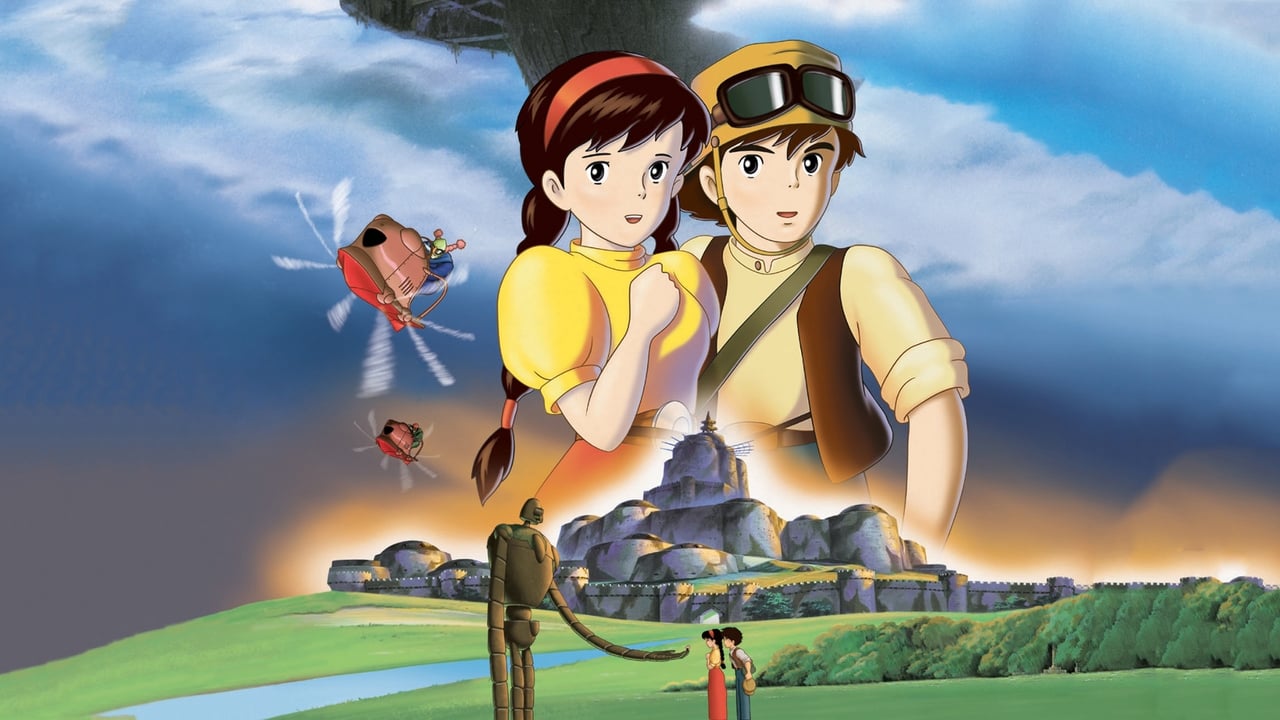
Castle in the Sky
A young boy and a girl with a magic crystal must race against pirates and foreign agents in a search for a legendary floating…

★ 8.01986
A young boy and a girl with a magic crystal must race against pirates and foreign agents in a search for a legendary floating…
★ 7.72001
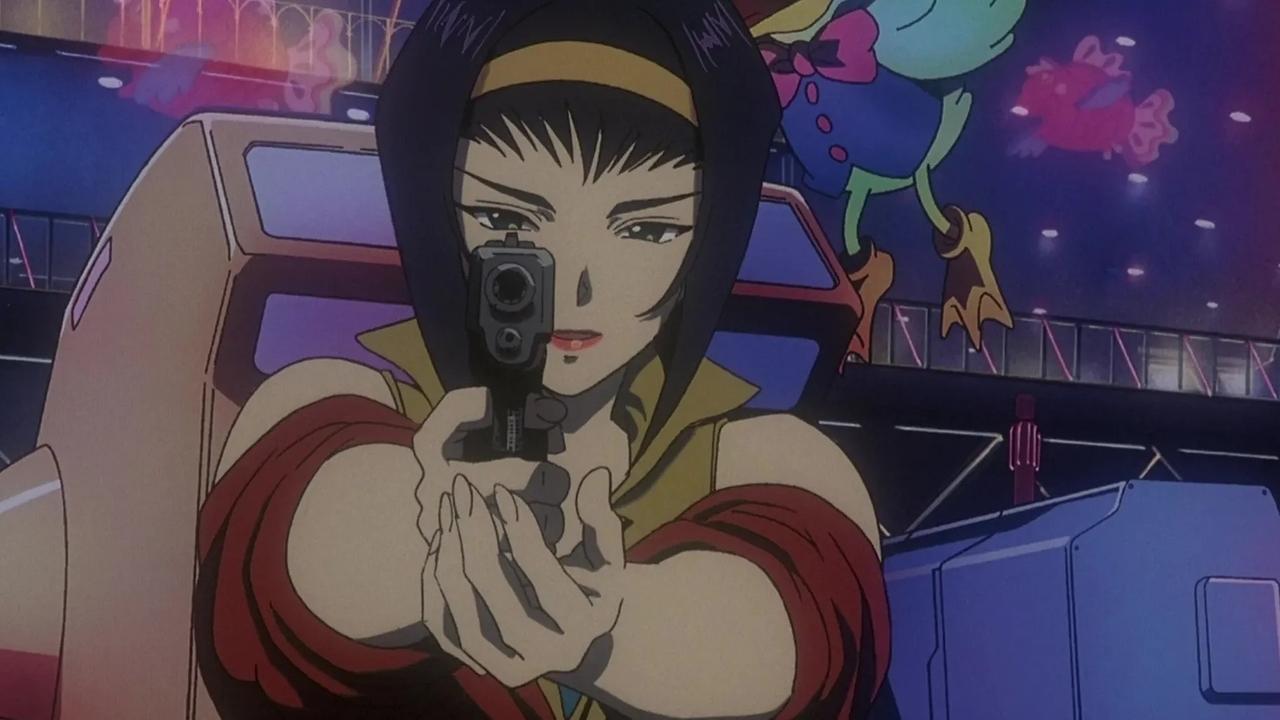
The year is 2071. Following a terrorist bombing, a deadly virus is released on the populace of Mars and the government has issued the largest bounty in history, for the capture of whoever…
★ 7.62009
A daredevil driver is determined to compete in Redline, the most popular race in the galaxy. The race only occurs every five years, but in order to participate he must overcome the mafia,…
★ 7.11985
Lonely and awkward, Giovanni struggles with his sick mother, absent father, and an afterschool job that isolates him from his peers. But on the night of the Festival of Stars, he is…
★ 7.82002
Noah's Ark, the latest innovation in VR technology, is set for a showcase to Japan's privileged children. However, their carefree fun is cut short when a company employee is found murdered,…
From Castle in the Sky, Angel's Egg and Night on the Galactic Railroad to Redline, Steamboy and Cowboy Bebop: The Movie, and from Detective Conan, Pokémon and Doraemon to Lupin the Third and Dragon Ball. Pick a film, open it and press Watch now.
 ★ 8.0Castle in the Sky
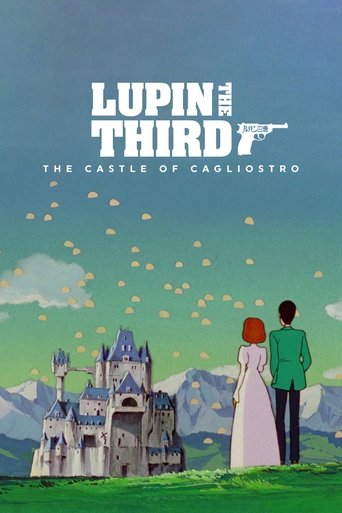 ★ 7.5The Castle of Cagliostro
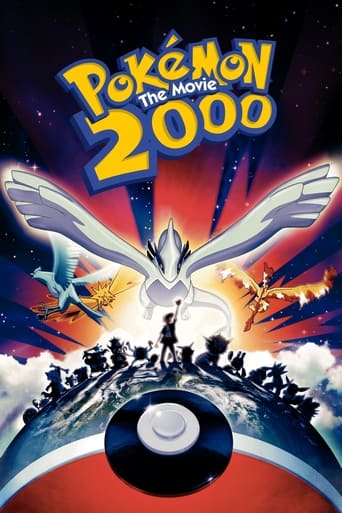 ★ 6.7Pokémon the Movie 2000
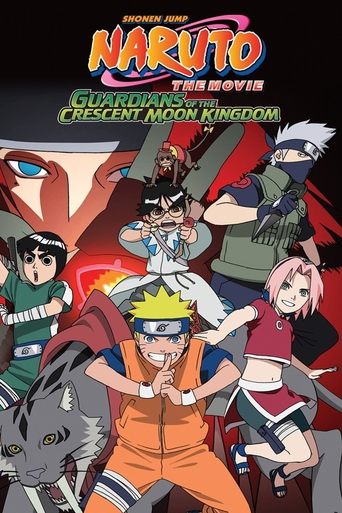 ★ 7.1Naruto the Movie: Guardians of the Crescent Moon Kingdom
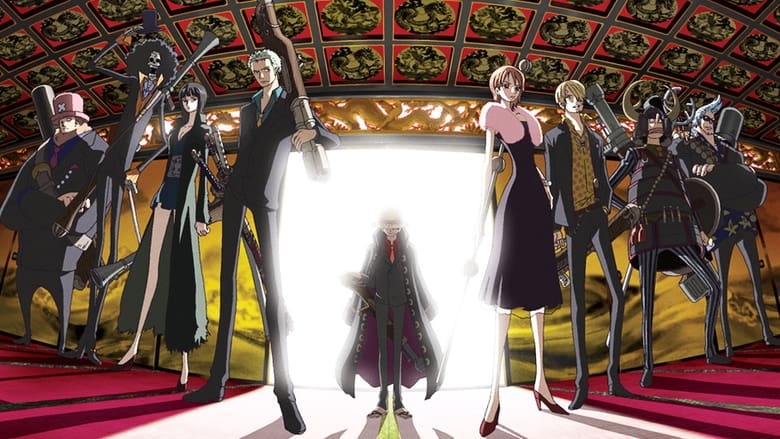
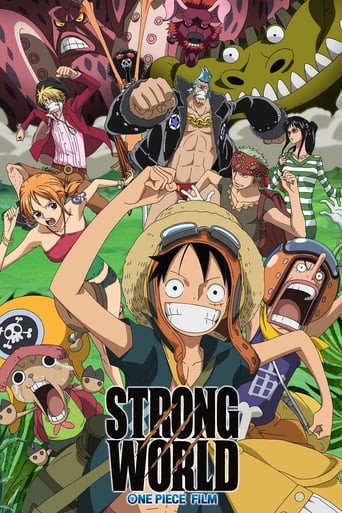 ★ 7.5One Piece Film: Strong World
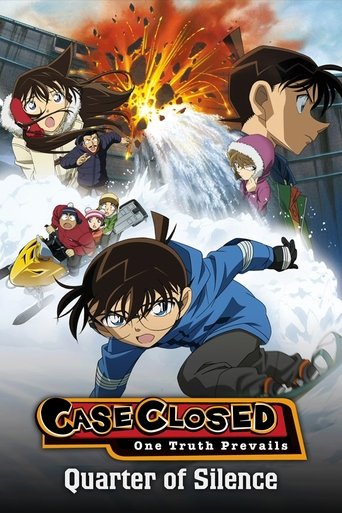 ★ 7.1Detective Conan: Quarter of Silence
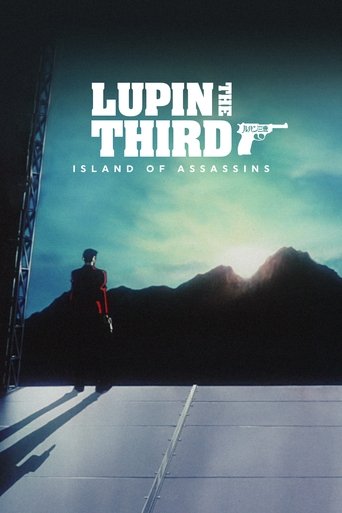 ★ 6.5Lupin the Third: Island of Assassins
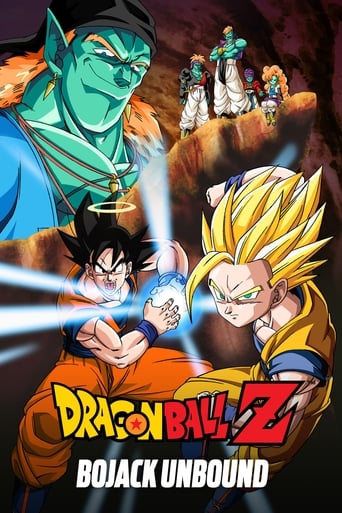 ★ 7.2Dragon Ball Z: Bojack Unbound
 ★ 7.3Dragon Ball Z: Wrath of the Dragon
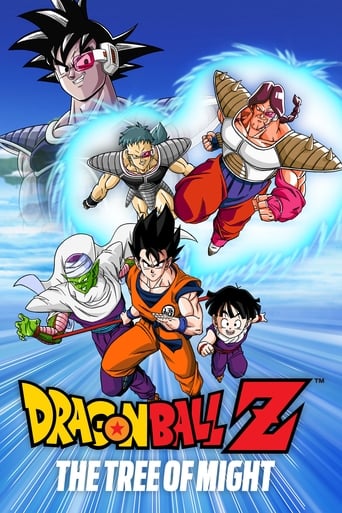 ★ 6.5Dragon Ball Z: The Tree of Might
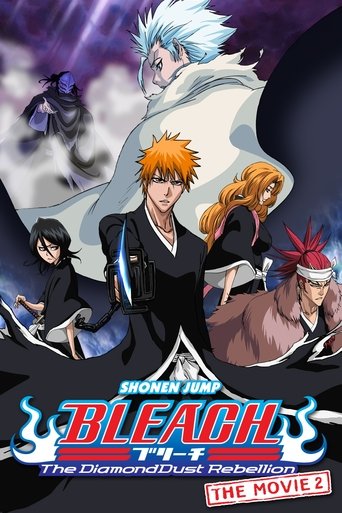 ★ 6.8Bleach the Movie: The DiamondDust Rebellion
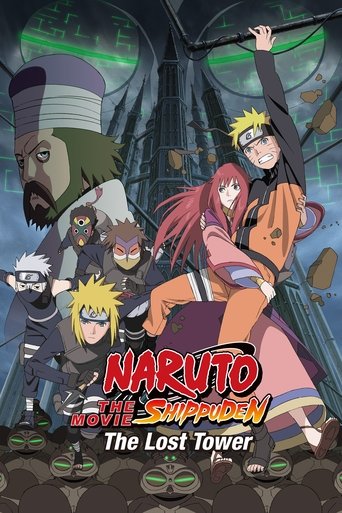 ★ 7.2Naruto Shippuden the Movie: The Lost Tower★ 8.0Castle in the Sky
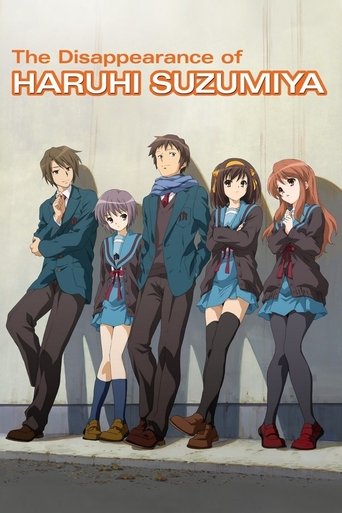 ★ 7.9The Disappearance of Haruhi Suzumiya
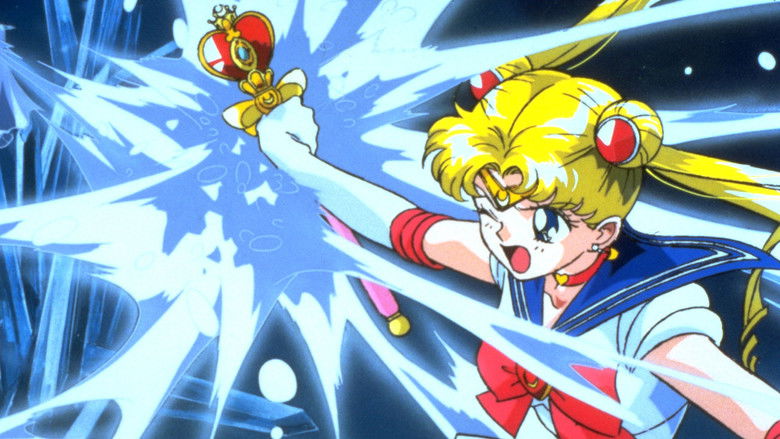
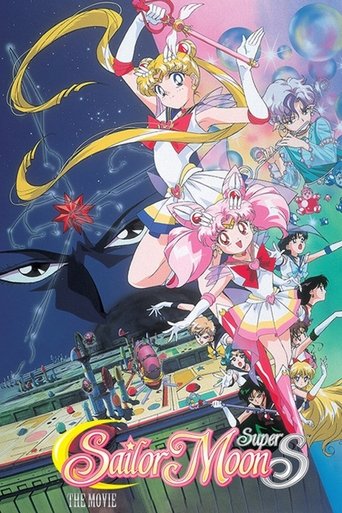 ★ 7.9Sailor Moon SuperS: The Movie - Black Dream Hole
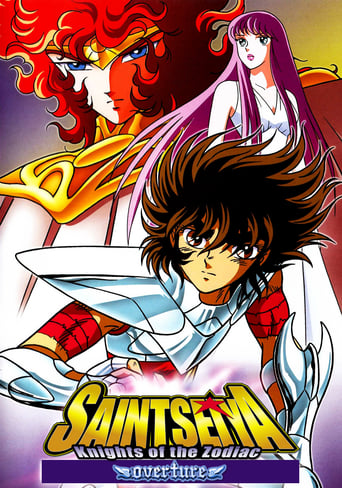 ★ 7.8Saint Seiya Heaven Chapter: Overture
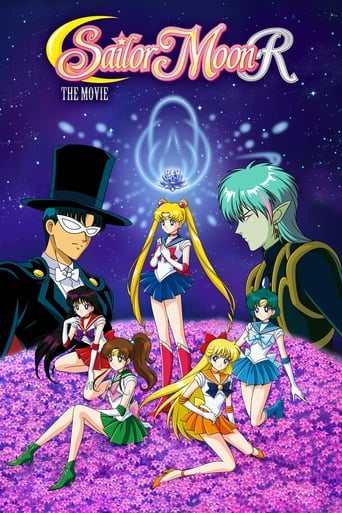 ★ 7.8Sailor Moon R: The Movie - The Promise of the Rose
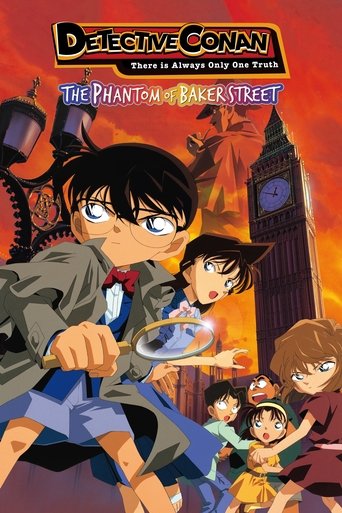 ★ 7.8Detective Conan: The Phantom of Baker Street
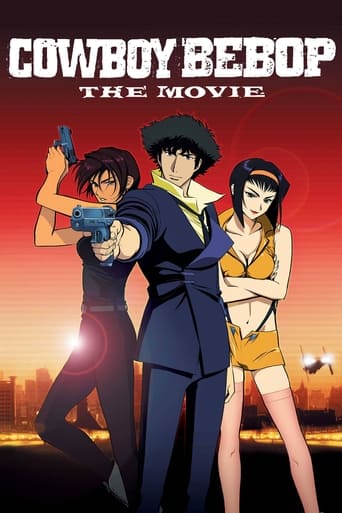 ★ 7.7Cowboy Bebop: The Movie
 ★ 7.7Cardcaptor Sakura: The Movie
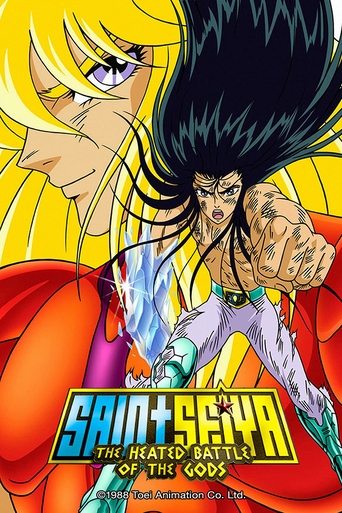 ★ 7.7Saint Seiya: The Heated Battle of the Gods
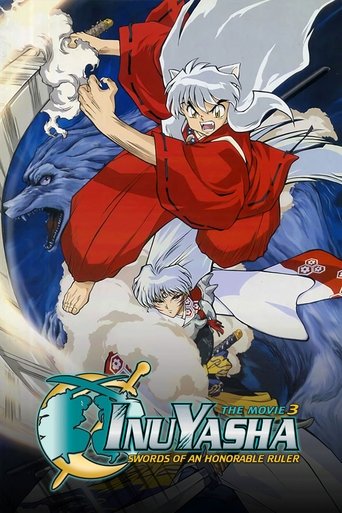 ★ 7.7Inuyasha the Movie 3: Swords of an Honorable Ruler
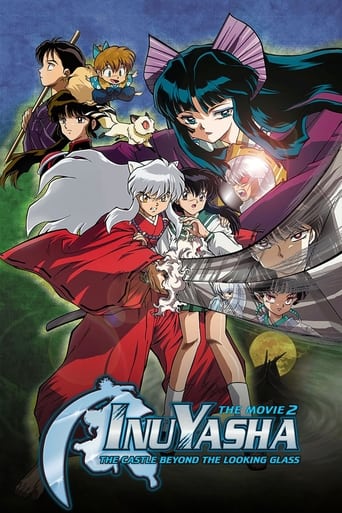 ★ 7.7Inuyasha the Movie 2: The Castle Beyond the Looking Glass
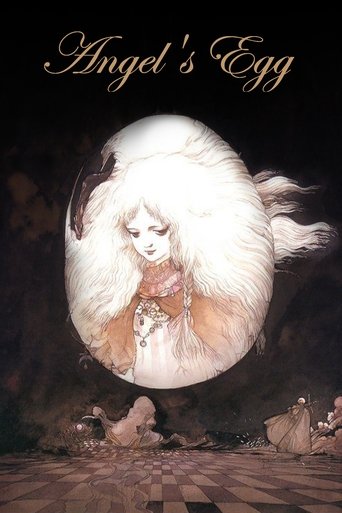 ★ 7.7Angel's Egg★ 8.0Castle in the Sky★ 7.7Angel's Egg
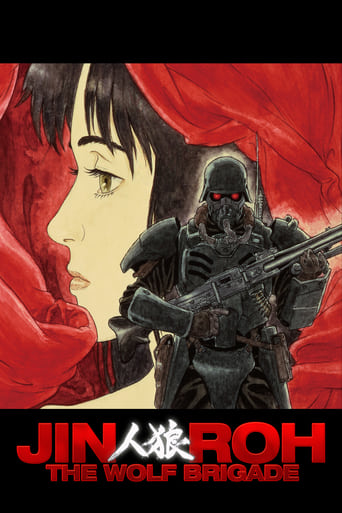 ★ 7.4Jin-Roh: The Wolf Brigade
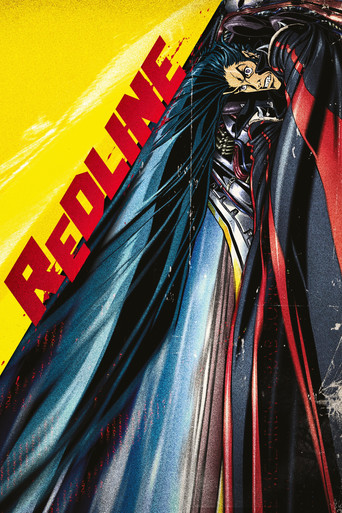 ★ 7.6Redline
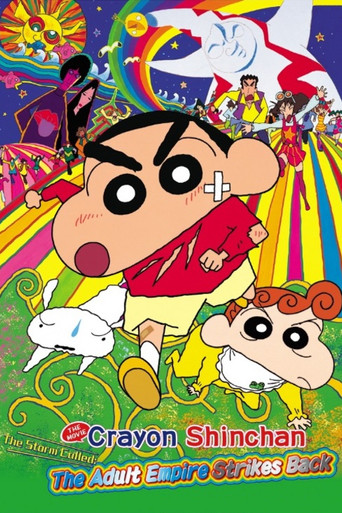 ★ 8.3Crayon Shin-chan: The Storm Called: The Adult Empire Strikes Back
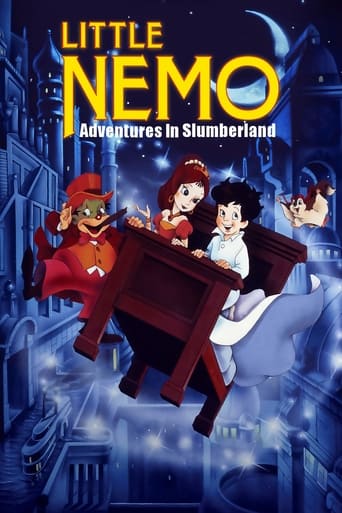 ★ 6.9Little Nemo: Adventures in Slumberland
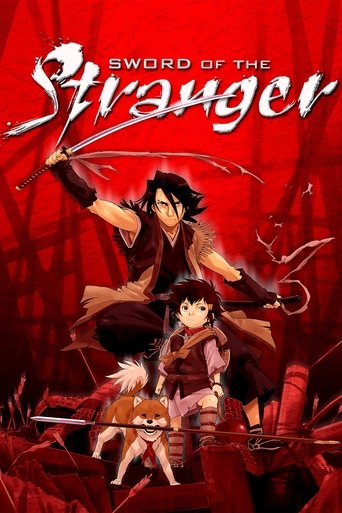 ★ 7.6Sword of the Stranger
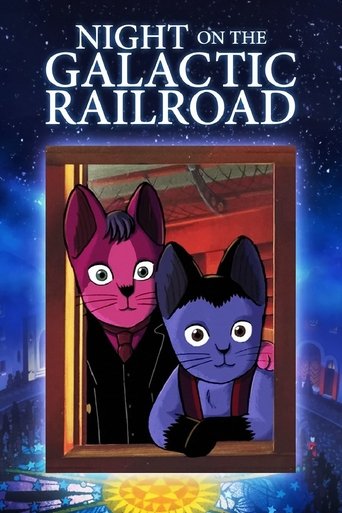 ★ 7.1Night on the Galactic Railroad
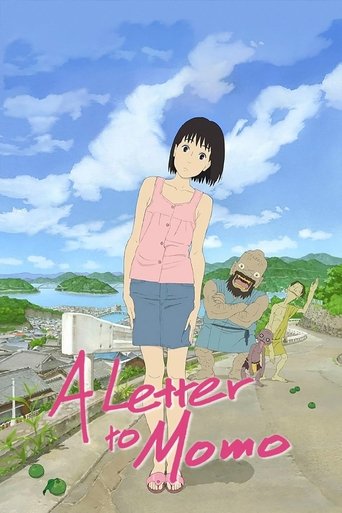 ★ 7.4A Letter to Momo
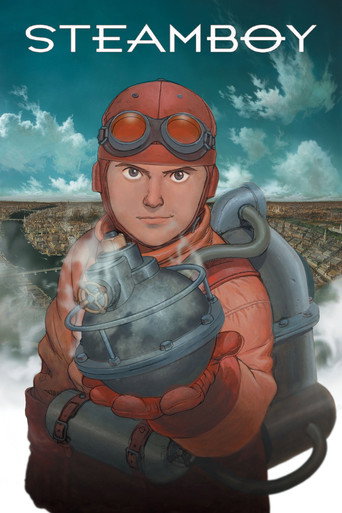 ★ 6.9Steamboy
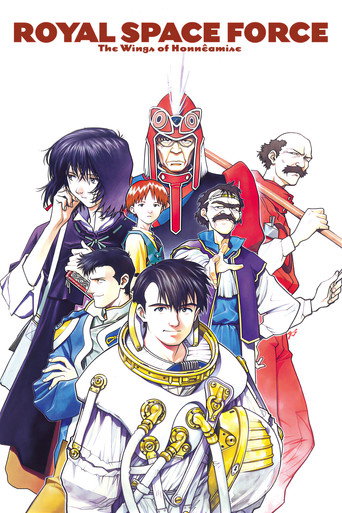 ★ 6.9Royal Space Force - The Wings of Honneamise
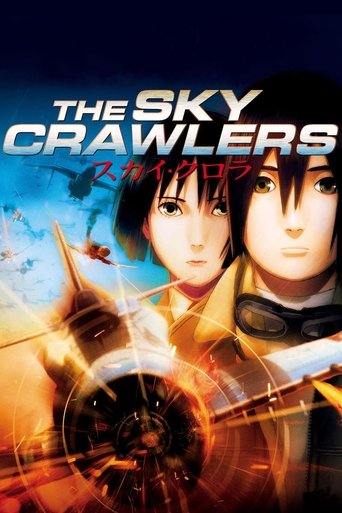 ★ 6.7The Sky Crawlers★ 8.0Castle in the Sky★ 7.4Jin-Roh: The Wolf Brigade★ 7.7Cowboy Bebop: The Movie★ 7.6Redline
 ★ 7.4Ghost in the Shell 2.0
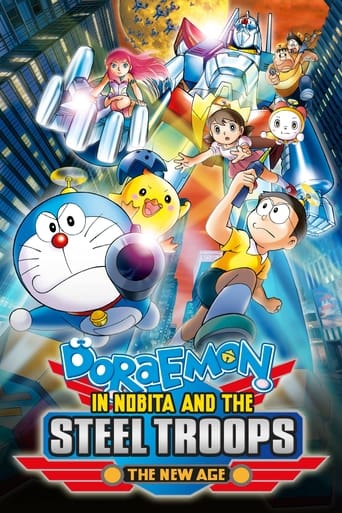 ★ 7.4Doraemon: Nobita and the New Steel Troops: Winged Angels★ 6.9Steamboy
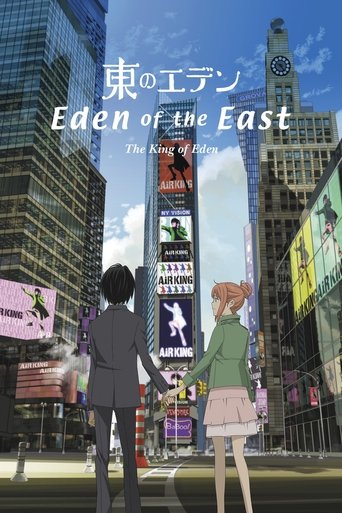 ★ 6.8Eden of the East Movie I: The King of Eden★ 6.9Royal Space Force - The Wings of Honneamise
 ★ 7.5Ghost in the Shell: Stand Alone Complex 2nd GIG - Individual Eleven
 ★ 6.7Eden of the East Movie II: Paradise Lost★ 6.7The Sky Crawlers★ 8.0Castle in the Sky★ 6.7Pokémon the Movie 2000
 ★ 6.6Pokémon 3: The Movie
 ★ 6.8Pokémon: Mewtwo Returns
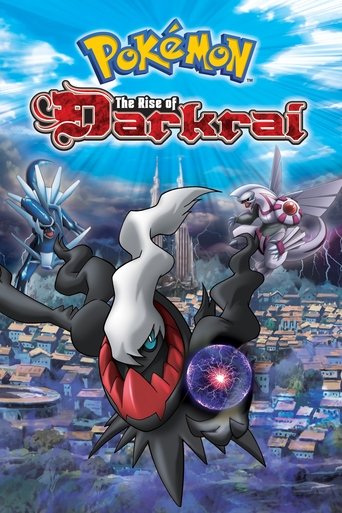 ★ 7.0Pokémon: The Rise of Darkrai
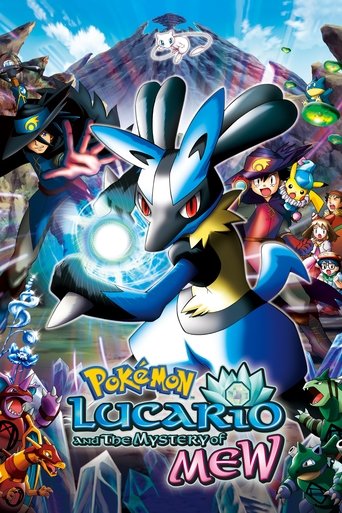 ★ 7.0Pokémon: Lucario and the Mystery of Mew
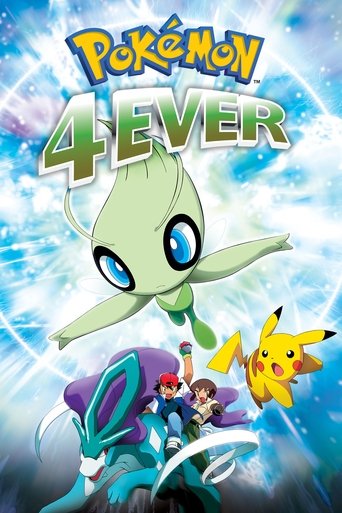 ★ 6.5Pokémon 4Ever
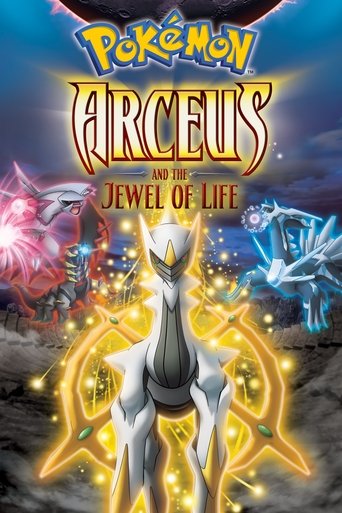 ★ 7.1Pokémon: Arceus and the Jewel of Life★ 8.3Crayon Shin-chan: The Storm Called: The Adult Empire Strikes Back
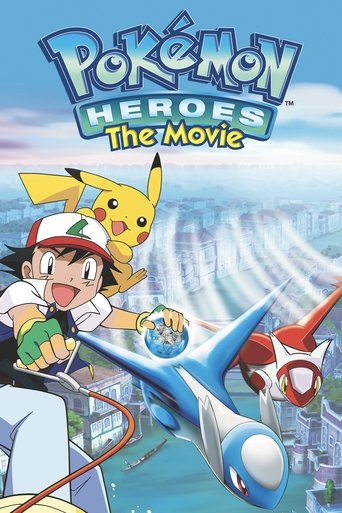 ★ 6.7Pokémon Heroes
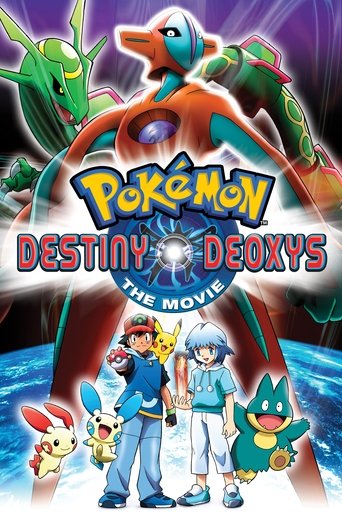 ★ 6.6Pokémon: Destiny Deoxys
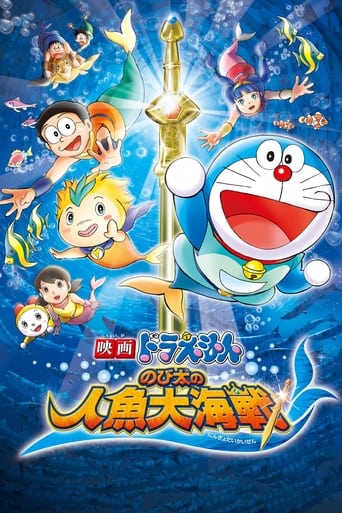 ★ 6.8Doraemon: Nobita's Great Battle of the Mermaid King★ 8.0Castle in the Sky★ 7.5The Castle of Cagliostro★ 7.7Angel's Egg
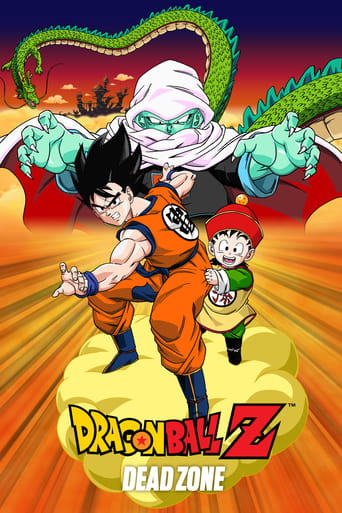 ★ 6.8Dragon Ball Z: Dead Zone
 ★ 6.1Lupin the Third: The Legend of the Gold of Babylon★ 6.9Little Nemo: Adventures in Slumberland★ 7.1Night on the Galactic Railroad
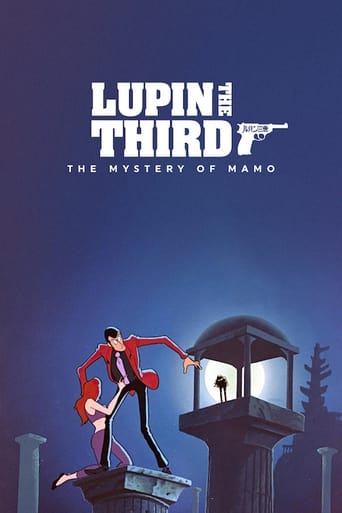 ★ 7.0Lupin the Third: The Mystery of Mamo
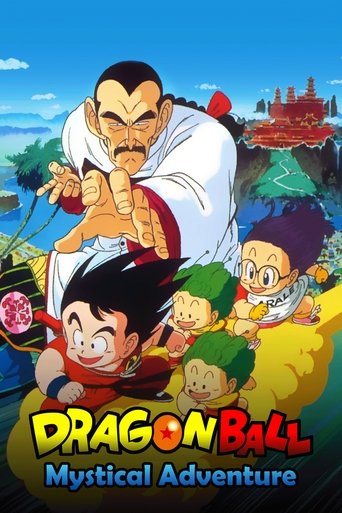 ★ 6.7Dragon Ball: Mystical Adventure★ 6.9Royal Space Force - The Wings of Honneamise
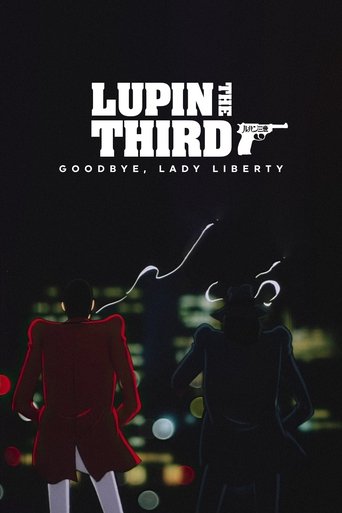 ★ 6.4Lupin the Third: Bye Bye, Lady Liberty
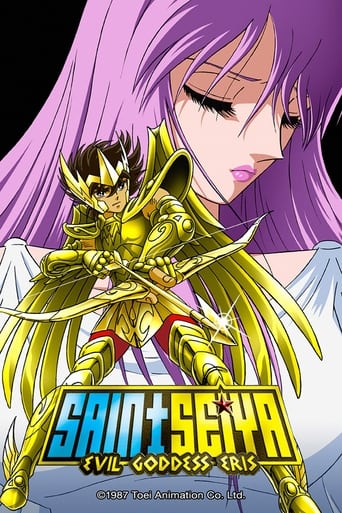 ★ 7.1Saint Seiya: Evil Goddess Eris
AniCine began as a sleek streaming site with a dark sidebar, a tall cinematic hero and rows of rounded film cards. The new AniCine keeps that clean, cinema-like design and devotes it to one of animation's great treasures: the Japanese animated feature film. It gathers more than one hundred and sixty anime films made between 1978 and 2012, from the airships of Castle in the Sky and the starry train of Night on the Galactic Railroad to the roaring engines of Redline, the steam-powered London of Steamboy and the bounty hunters of Cowboy Bebop: The Movie. Every film has its own page with the story, the voice cast, the director, the studio and the running time, plus a Watch now button that opens it on the official services in your country.
These thirty-five years are a golden age of anime cinema. They saw the rise of Studio Ghibli, the birth of cyberpunk anime, the first great science-fiction epics from Madhouse and Gainax, and the yearly franchise films that turned Detective Conan, Doraemon, Pokémon and Crayon Shin-chan into family traditions across Japan and beyond. AniCine is a guide to all of it, for viewers discovering classic anime for the first time and for longtime fans who want to revisit favourites or fill the gaps in their film diaries.
The design is measured from the archived anicine.xyz home page and its style sheet, captured in September 2026. The site is built on a family of cool, neutral greys known as zinc. The page is a deep charcoal, #09090B, with cards and tiles one step lighter at #18181B and fine borders at #27272A. Text is an almost-white #F4F4F5, secondary lines are a soft grey, and small labels use a darker grey, #52525B. The accent is plain white: white Play buttons with dark lettering, white highlights on the active sidebar link and white titles across the page. Star scores glow in warm yellow, and the only other colour is a touch of indigo for the My List link in the footer, echoing the original's community button.
The typeface is Inter, set at its heaviest black weight for the wordmark and the hero titles and at regular weights for everything else. The wordmark reads AniCine in tight, heavy letters, with Ani in white and Cine in dark grey, exactly as the original displayed it at the top of its sidebar. The favicon repeats the idea in two letters on a charcoal tile.
The Family films collection gathers nearly fifty films for every age, and Family films on AniCine suggests where to begin. Beside the Doraemon, Pokémon and Crayon Shin-chan films, it holds two lovely international productions. Little Nemo: Adventures in Slumberland, made by Tokyo Movie Shinsha with an international team, brings Winsor McCay's classic comic strip to life, as a boy is invited to become the playmate of a princess in a dream kingdom. Comet in Moominland follows the gentle Moomins as they prepare for the arrival of a comet, in the warm style of the Japanese Moomin series of the early 1990s.
For an afternoon with children, Castle in the Sky is the perfect adventure, A Letter to Momo suits older children, and the franchise films offer plenty of laughter. Every service shows its own age rating, so parents can pick with confidence.
The decade shelves trace the history of anime cinema. The 1978 to 1989 shelf holds the pioneers: Lupin's first capers, Rintaro's epics, Ghibli's first adventure, Angel's Egg and the Royal Space Force. The 1990s shelf brings the first Detective Conan and Pokémon films, the classic Dragon Ball Z features, Sailor Moon and the moody science fiction of Jin-Roh. The 2000 to 2012 shelf is the largest, full of franchise films, the digital spectacle of Steamboy and Vexille, and the hand-drawn triumph of Redline.
The Top rated shelf gathers the films that audiences love most, from Castle in the Sky and Night on the Galactic Railroad to Cowboy Bebop: The Movie and Redline, and it is a reliable place to start.
Toei Animation is the studio with the most films on AniCine, from Dragon Ball, Saint Seiya and One Piece to the Sailor Moon films and the early Digimon shorts. TMS Entertainment, once known as Tokyo Movie Shinsha, made the Lupin the Third films, Little Nemo and the Detective Conan series. Shin-Ei Animation is the home of Doraemon and Crayon Shin-chan. Production I.G made the Ghost in the Shell films, Jin-Roh and a string of thoughtful science fiction, while Madhouse is behind Redline, Rintaro's epics and Nasu. Sunrise produced the Inuyasha films, OLM the Pokémon films and Pierrot the Naruto and Bleach films. Tap any studio tile on the home page to see all its films together.
Anime films sit in a unique place in world cinema. Television anime tells stories over weeks or months, but a feature film has to capture a whole world in about two hours, and that pressure has produced some of the most inventive filmmaking of the past half century. Directors used the extra budget and time of a feature to paint richer backgrounds, animate at higher frame rates, commission full orchestral scores and experiment with styles that would be impossible on a weekly schedule. The result is a body of work that ranges from intimate personal stories to vast science-fiction epics, all made by hand with enormous care.
Anime films also cross generations more easily than almost any other kind of cinema. The same afternoon screening can delight a seven-year-old with its colours and jokes and move a grandparent with its themes of memory, family and change. Many of the films on AniCine were first seen by children in the 1980s and 1990s who now share them with their own families, and that continuity is part of what makes the genre so warm.
In the 1980s, many anime features reached audiences outside Japan through small video labels, late-night television slots and film festivals, often with dubbed soundtracks and new titles. Fans traded tapes, joined clubs and wrote newsletters to share what they had found. In the 1990s, dedicated anime labels began releasing films on home video with subtitles, and the arrival of DVD in the early 2000s brought restored images, multiple audio tracks and generous extras. Today, streaming services and high-definition discs have made many of these films easier to find than ever before, often in beautifully restored editions.
This history explains why some films have several English titles or more than one dub. Castle in the Sky, for example, has been known by different names in different markets, and some franchise films were edited for their first international releases. AniCine lists the alternate titles on each film page, and the search understands all of them.
Music is one of the great pleasures of classic anime cinema. Joe Hisaishi's sweeping score for Castle in the Sky has become a concert-hall favourite, Haruomi Hosono's delicate electronic score gives Night on the Galactic Railroad its dreamlike calm, and Yoko Kanno's jazz and blues carry Cowboy Bebop: The Movie through the streets of a future Mars. The Detective Conan and Doraemon films each have their own theme songs from popular Japanese artists, released every year to great excitement, and the Pokémon films introduced many young viewers to orchestral adventure music. Listening to these soundtracks on their own is a lovely way to relive a favourite film.
The franchise shelves on AniCine sort their films by popularity, but many fans enjoy watching them in release order to see how the characters and the animation grow over the years. The Detective Conan films follow the same cast through changing technology, from pagers to smartphones, and the Doraemon films show the gentle evolution of one of Japan's most beloved designs. The Dragon Ball films trace the growth of Goku from a boy to a father, and the Pokémon films follow Ash through region after region. Open any franchise collection, sort by year using the filters and enjoy the journey from the first film to the latest.
One of the most rewarding ways to explore anime cinema is to follow a director from film to film. Hayao Miyazaki's early features show his love of flight, machinery and brave young heroes. Mamoru Oshii's films are thoughtful and atmospheric, full of rain, basset hounds and questions about what makes us human. Katsuhiro Otomo brings a passion for vast cities and intricate machines, while Rintaro favours grand cosmic imagery and tragic heroes. Mamoru Hosoda's early shorts already show his gift for families, friendship and the internet as a place of adventure. Each film page on AniCine names its director, and a search for that name brings up every film by them in the collection.
Keeping a small film diary can make the journey even richer. Note the year, the director and a favourite scene after each film, and patterns soon appear: recurring themes, familiar voice actors, a composer who returns again and again. Many fans discover that their favourite films share a single animator or background artist, and chasing those names leads to wonderful surprises.
Anime films also make lovely seasonal companions. Summer suits the bright adventures of Castle in the Sky, the island holiday of One Piece: Baron Omatsuri and the Secret Island and the seaside mischief of A Letter to Momo. Autumn is perfect for the quiet mysteries of Night on the Galactic Railroad and the moody streets of Jin-Roh. Winter brings the snowy magic of The Disappearance of Haruhi Suzumiya and the cosy warmth of a Doraemon film under a blanket, and spring is the season of the new Detective Conan film in Japan, a fine excuse to revisit an older one at home. Whatever the weather, there is a classic anime film waiting to match it.
Half the fun of a great film is talking about it afterwards. Classic anime films leave plenty to discuss: the hidden symbols of Angel's Egg, the politics behind Jin-Roh, the question of which reality Kyon should choose, or simply which Lupin film has the best car chase. Invite friends to share their own favourites, compare the English and Japanese versions of a famous scene, or read about how a film was made and then watch it again with fresh eyes. Every conversation adds a new layer to films that already reward repeat viewing, and many friendships have grown around a shared love of a single scene.
A good anime film night starts with a pairing. Try a double bill of speed with Redline and Cowboy Bebop: The Movie, or a dreamlike evening with Night on the Galactic Railroad followed by Angel's Egg. For a Lupin marathon, watch Lupin the Third: The Mystery of Mamo and The Castle of Cagliostro back to back and compare two very different takes on the same thief. For a family Saturday, pair Castle in the Sky with a Doraemon adventure, and for a rainy Sunday, let A Letter to Momo and Colorful carry you through the afternoon.
Dim the lights, turn up the sound and give the films your full attention: many of these works were made for the big screen, with painted backgrounds, orchestral scores and moments of silence that reward careful viewing.
Most films in the collection were drawn by hand, frame by frame, on paper and later on cels or tablets. The painted skies of Castle in the Sky, the spinning gears of Steamboy and the explosive races of Redline each represent thousands of drawings and years of work by teams of animators, background painters and colourists. Watching them is a chance to appreciate a craft that is rarer today, and many fans find that learning a little about how the films were made deepens their enjoyment. Look for making-of features on the official services and home-video releases.
AniCine works in any modern browser. On a computer, the sidebar stays on the left; on a phone, it becomes a tidy menu. The official services have apps for smart TVs, streaming sticks and consoles, so you can browse AniCine on your phone and play the film on the biggest screen in the house. Apps and devices has more tips.
Some services stream classic anime films free with ads in some countries, and JustWatch labels those with Free after you press Watch now. Public libraries in some regions lend films through apps like Hoopla and Kanopy. Free anime films explains where to look.
Official services protect your account and payment details and support the studios and artists who keep these films available. Keep your browser and apps updated, use a separate password for each service and turn on two-step sign-in. The short checklist in Streaming safely covers everything.
The real AniCine is easy to recognise: the heavy AniCine wordmark with Ani in white and Cine in grey, the dark sidebar with its grouped links, the tall hero with an uppercase film title and rows of rounded film cards with yellow star scores. The official AniCine site describes it in detail. If a page looks unusual, Is AniCine working? lists quick fixes, and Where AniCine films stream introduces the official services behind every Watch now button.
The home page opens with a tall hero banner that fills most of the screen, just as the original did. Five films take turns in the frame: Castle in the Sky, Cowboy Bebop: The Movie, Redline, Night on the Galactic Railroad and Detective Conan: The Phantom of Baker Street. Each slide shows a wide still from the film, softened by a dark fade that rises from the bottom and the left. Over it sit a yellow star chip with the audience score, the year of release, the title in bold uppercase letters, a few lines of story, a white Play button and a bordered Details button. Round arrows in the corner step between the slides, and on a phone a swipe does the same.
The five were chosen to show the breadth of the collection: a Ghibli adventure, a jazz-soaked science-fiction thriller, a hand-drawn racing spectacle, a poetic fantasy based on a classic novel and a franchise mystery set inside a virtual Victorian London. Together they are a small film festival on their own.
Below the hero, a short welcome introduces the site, and then the rows begin. Each row has a heading on the left and a See all link on the right, and scrolls sideways through a strip of film cards. Popular films comes first, followed by Top rated films, Art-house classics, Science fiction, Family films and a row of films from 1978 to 1989.
The cards follow the original's proportions: tall rounded posters a hundred and sixty-five pixels wide, with twelve-pixel corners and a hairline border. A small round bookmark badge sits in the top-left corner, and the audience score shows in yellow in the top-right corner. Beneath the poster, a small uppercase line gives the type and year, and the title follows in two lines at most. Hover over a card and the poster eases gently forward.
The original home page carried a grid of studio tiles, each a bright, gradient card with a studio's name. AniCine keeps the idea and fills it with the animation studios that made the films in its collection: Toei Animation, TMS Entertainment, Production I.G, Shin-Ei Animation, Madhouse, Sunrise, OLM, Pierrot and more. Each tile shows how many of that studio's films are on AniCine, and a tap opens a search for every one of them. It is a lovely way to explore, since each studio has its own personality, from Toei's bright franchise adventures to Production I.G's thoughtful science fiction and Madhouse's bold, ambitious features.
Further down, a row of wide collection cards takes its cue from the original's franchise row. Each card shows a still from the most popular film in a series, with the series name and the number of films. Detective Conan, Pokémon, Doraemon, Dragon Ball, Lupin the Third and One Piece each have their own card, along with Jump heroes, which gathers the Naruto, Bleach, Gintama, Saint Seiya and Yu-Gi-Oh films, and Magic and fantasy, which gathers Sailor Moon, Cardcaptor Sakura, Inuyasha, Puella Magi Madoka Magica and their friends. The Explore all link opens the full Collections page.
Watching a film on AniCine takes three steps. Find it from the hero, a row, a studio tile, a collection card or the search in the sidebar, and open its page. On the film page, read the story, glance at the running time and the cast, and choose your country from the list. Then press Watch now, and JustWatch opens with every official service that carries the film where you live, whether by subscription, rental, purchase or free with ads. The film then plays in that service's own app or website. The step-by-step guide lives in How to watch with AniCine.
Classic anime films move between services often, and older titles are frequently available to rent or buy even between subscription runs. The country list on AniCine covers fifteen countries, from the United States, the United Kingdom, Canada and Australia to Japan, Germany, France, Italy, Spain, Brazil, Mexico, the Philippines and India, so you always see the current options for your own region.
Each film page is built for a film lover. The poster and a wide backdrop set the scene. The story comes in a few lines, followed by the year, the genres, the running time and the original Japanese title. The director and the studio are listed, so you can follow a favourite filmmaker from film to film, and the main voice cast appears with their roles. Many classic anime films were released internationally under more than one name, so the page also lists alternate titles, and all of them work in the search.
The search understands English and Japanese titles and many alternate names, so Castle in the Sky, Laputa and 天空の城ラピュタ all lead to the same film. It also reaches voice actors and studios: type Madhouse or Toei Animation to see every film from those studios on the site. The Browse link opens the full A to Z of films, with filters for genre and year, ideal for an evening of wandering through posters. Finding a film gathers the tips in one place.
My List is AniCine's personal queue. Press Add to My List on any film page and the film waits there for your next film night. The list lives in your browser, works instantly and can be exported to a small file and imported on another device. Many viewers use it to plan a season of viewing, a Rintaro weekend or a year of Detective Conan mysteries in order. My List explains every feature.
Most classic anime films stream with English subtitles, and many have one or more English dubs, some recorded decades apart. Castle in the Sky, for example, has had several dubs over the years, and many franchise films were dubbed for their international cinema releases. Some viewers prefer the original Japanese performances, others enjoy a dub for relaxed family viewing, and both are welcome. The available tracks depend on the service and your country, and you switch between them in the player's menu. Subtitles and dubs covers the details.
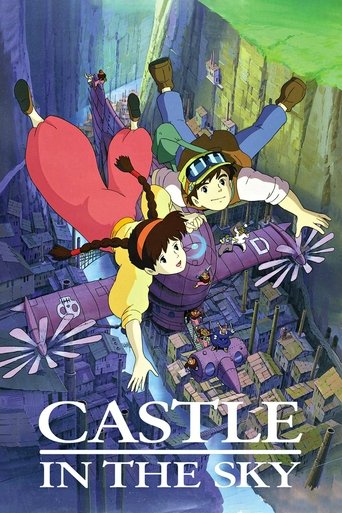
Some films form the foundation of anime cinema, and AniCine's Classic anime films guide is the best place to start. Castle in the Sky, released in 1986, was the first film produced under the Studio Ghibli name. Hayao Miyazaki's adventure follows Pazu, a young mechanic in a mining town, and Sheeta, a girl who falls from the sky wearing a glowing crystal, as they race sky pirates and a government agent to find Laputa, a legendary floating island. Its airships, robots and sweeping skies have inspired a generation of storytellers, and its message about nature and technology feels as fresh as ever.
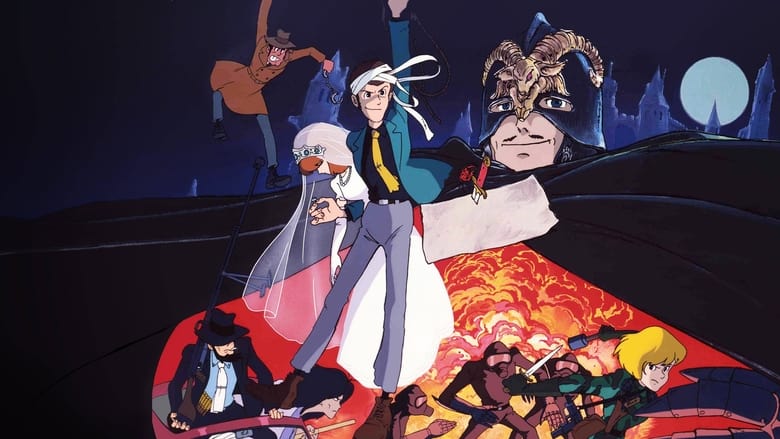
Miyazaki's first feature, The Castle of Cagliostro from 1979, is also here. It sends the gentleman thief Lupin the Third to a tiny European country, where he uncovers a counterfeiting ring and rescues a princess from a scheming count. The film's car chase through the hills, its clockwork castle and its warm sense of humour have made it one of the most beloved adventure films in animation. The year before, Lupin the Third: The Mystery of Mamo launched Lupin's cinema career with a wild caper involving a mysterious immortal tycoon.
The director Rintaro made some of the grandest science-fiction and fantasy films of the 1980s, and AniCine holds several. Adieu Galaxy Express 999 continues the story of Tetsuro, a boy who travels the galaxy on a steam train in space, in a sweeping, melancholy adventure with a famous farewell. Harmagedon gathers psychic warriors from around the world to face a cosmic force of destruction, and The Dagger of Kamui follows a young man on a journey from northern Japan to America in search of the truth about his family. Rintaro also directed the Neo Tokyo anthology segment Labyrinth Labyrinthos, and his taste for grand, dreamlike imagery runs through all his films.
The 1980s were a time of daring original films. Arion, from the artist Yoshikazu Yasuhiko, retells Greek myth as a young hero's war against the gods, and Windaria is a bittersweet fantasy about two kingdoms and the young lovers caught between them. Royal Space Force - The Wings of Honneamise, the first film from Gainax, follows a young man in an invented, retro-futuristic nation who volunteers to become its first astronaut. Its world is imagined in extraordinary detail, from coins and newspapers to street signs and rocket engines, and its launch sequence is one of the great moments in animation.
Barefoot Gen, from 1983, tells the story of a young boy and his family in Hiroshima before and after the atomic bombing of 1945, based on the memoir of the manga artist Keiji Nakazawa, who survived it. It is a hard, important film, full of courage and a stubborn love of life, and many schools have shown it to students as a lesson about peace.
The Art-house classics collection gathers films that follow a singular vision, and Art-house anime films offers a gentle introduction. Angel's Egg, directed by Mamoru Oshii with designs by Yoshitaka Amano, is one of the most haunting films ever animated: a girl carrying a large egg wanders a dark, flooded city, where a young soldier joins her. Its seventy-one minutes have few words and endless images, and viewers have debated its meaning for decades.
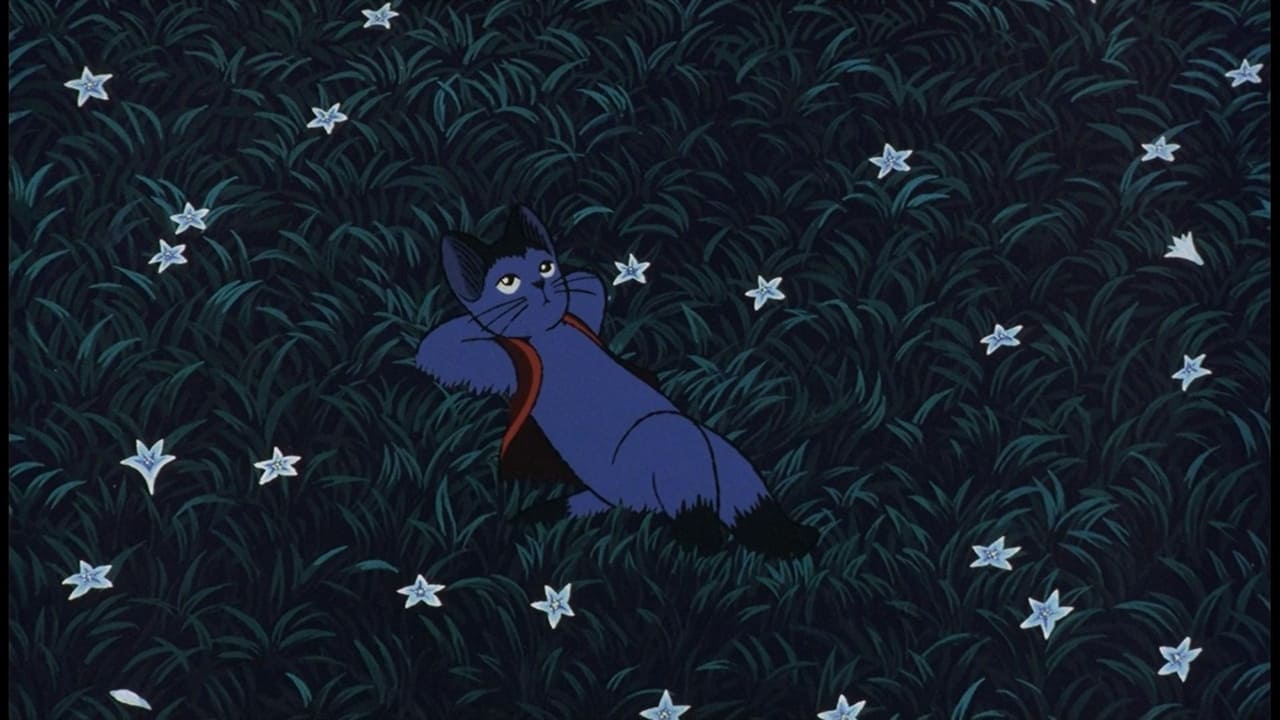
Night on the Galactic Railroad adapts Kenji Miyazawa's beloved novel, with its characters drawn as gentle cats. Giovanni, a lonely boy, boards a mysterious steam train on the night of a star festival with his friend Campanella, and the two ride across the Milky Way, meeting travellers from many walks of life. The film is slow, luminous and deeply moving, and its score by Haruomi Hosono is a treasure of its own.
Tamala 2010: A Punk Cat in Space is a stylish, playful oddity about a kitten on a journey across a strange galaxy of corporations and myths, drawn in stark black and white. Genius Party, from Studio 4°C, gathers short films from seven directors, each in a completely different style, and Neo Tokyo does the same with three celebrated segments from 1987. Nasu: Summer in Andalusia is a brisk, sunlit film about a cyclist racing through his home town in Spain on the day of his brother's wedding.
A Letter to Momo follows a girl who moves with her mother to a small island in the Seto Inland Sea after her father's death, carrying his unfinished letter. In the attic of her new home, three comical goblins appear, and their mischief slowly helps her grieve and heal. It is funny, beautiful and full of heart. Colorful tells of a lost soul given a second chance in the body of a teenage boy, who must discover why the boy was so unhappy and learn to see the colours in his family and friends.
Welcome to the Space Show sends five children on a summer adventure across the galaxy after they rescue an injured alien dog, and Oblivion Island: Haruka and the Magic Mirror follows a teenage girl into a hidden world of lost belongings as she searches for a hand mirror from her childhood. Brave Story sends a boy into a fantasy world where he hopes to change his family's fate, and Origin: Spirits of the Past imagines a future where forests have grown over the ruins of civilisation.
Tokyo Magnitude 8.0: The Movie retells a moving television series about a girl and her little brother trying to find their way home across Tokyo after a great earthquake. It is a story of courage, kindness and the help of strangers, drawn with close attention to real streets and landmarks, and it asks viewers to think about how they would look after each other in a disaster.
Anime cinema has given the world some of its most influential science fiction, and the Science fiction collection gathers more than twenty examples. The guide Science-fiction anime films suggests where to begin. Ghost in the Shell 2.0 is Mamoru Oshii's 2008 update of his famous 1995 film, with new digital effects and a new soundtrack. Its cyborg heroine, Major Motoko Kusanagi, hunts a mysterious hacker known as the Puppet Master through a rain-soaked future city, and the film's questions about memory, identity and the soul have shaped science fiction ever since.
Ghost in the Shell: Stand Alone Complex 2nd GIG - Individual Eleven is a feature-length edit of the second season of the television series, following the Major's team through a complex political crisis. Jin-Roh: The Wolf Brigade, written by Oshii and directed by Hiroyuki Okiura, is a grave, beautifully drawn story set in an alternate postwar Tokyo, where a young officer of an elite police unit is drawn into a web of intrigue that echoes the fairy tale of Little Red Riding Hood.
Steamboy is Katsuhiro Otomo's lavish steam-powered adventure set in Victorian Britain. A young inventor receives a mysterious metal ball from his grandfather and finds himself caught between rival factions who want its power, as the Great Exhibition of 1851 opens in London. Its machines, airships and collapsing towers are animated in astonishing detail. The Sky Crawlers, also by Oshii, follows young fighter pilots who fight a staged war for public entertainment, and Vexille imagines a Japan closed off from the world for ten years, investigated by an American special-forces team.
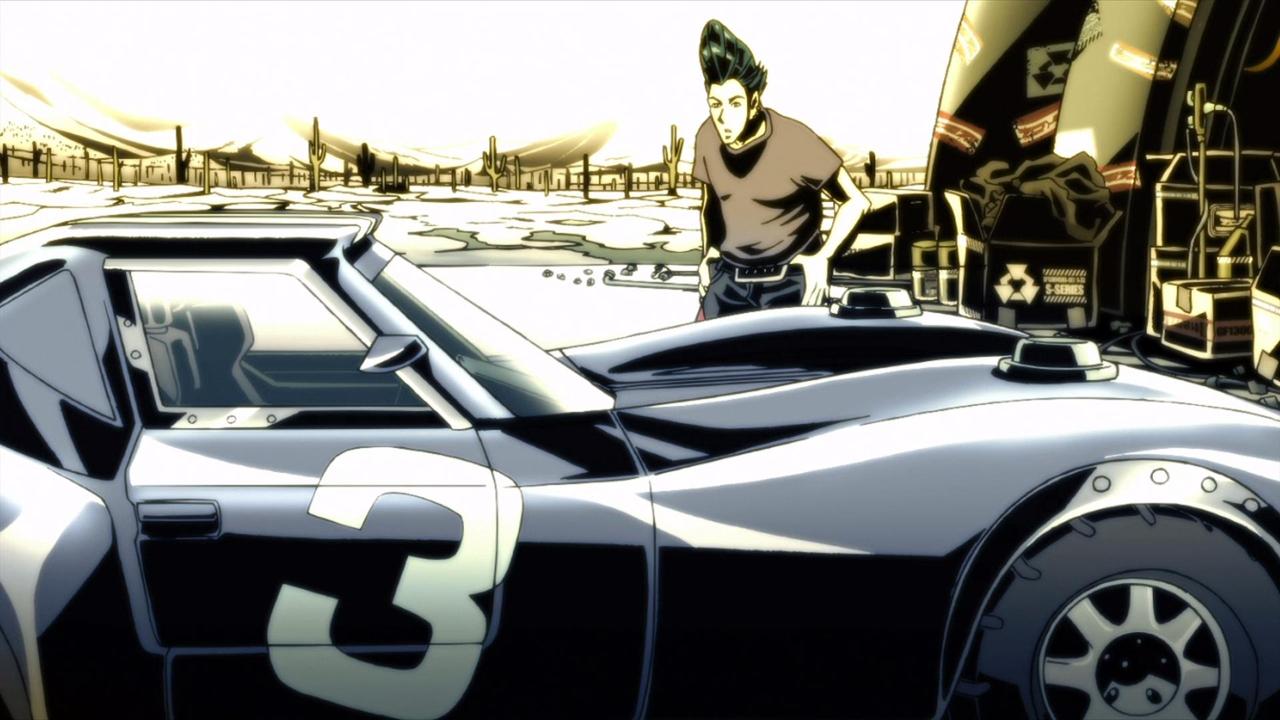
Redline is one of the most exhilarating films in the collection. Its hero, Sweet JP, a gentle driver with a towering pompadour, enters the Redline, the most dangerous race in the galaxy, held this time on a militarised planet that wants the racers gone. Studio Madhouse spent seven years drawing it by hand, and every frame bursts with colour and speed. Cowboy Bebop: The Movie sends Spike, Jet, Faye, Ed and Ein after a terrorist who threatens Mars with a deadly virus on the eve of Halloween, set to Yoko Kanno's wonderful jazz.
009 Re:Cyborg brings Shotaro Ishinomori's classic cyborg heroes into a modern thriller, A Wind Named Amnesia follows a young man through an America whose people have lost their memories, and Trigun: Badlands Rumble reunites the gunslinger Vash the Stampede with his friends on a desert planet. Eden of the East Movie I: The King of Eden and Eden of the East Movie II: Paradise Lost complete the story of a young man with a phone that can make almost any wish come true.
Franchise films are a joyful part of anime cinema. In Japan, a new Detective Conan film arrives each April, a new Doraemon film each March, a new Crayon Shin-chan film each spring and, for many years, a new Pokémon film each July. Families plan outings around them, and they often become the biggest box-office hits of the year. The guide Franchise films on AniCine explains how to enjoy them, and most stand happily on their own for newcomers.
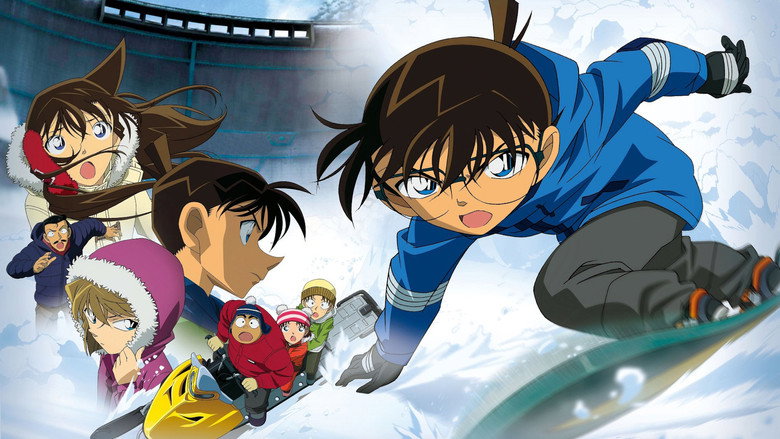
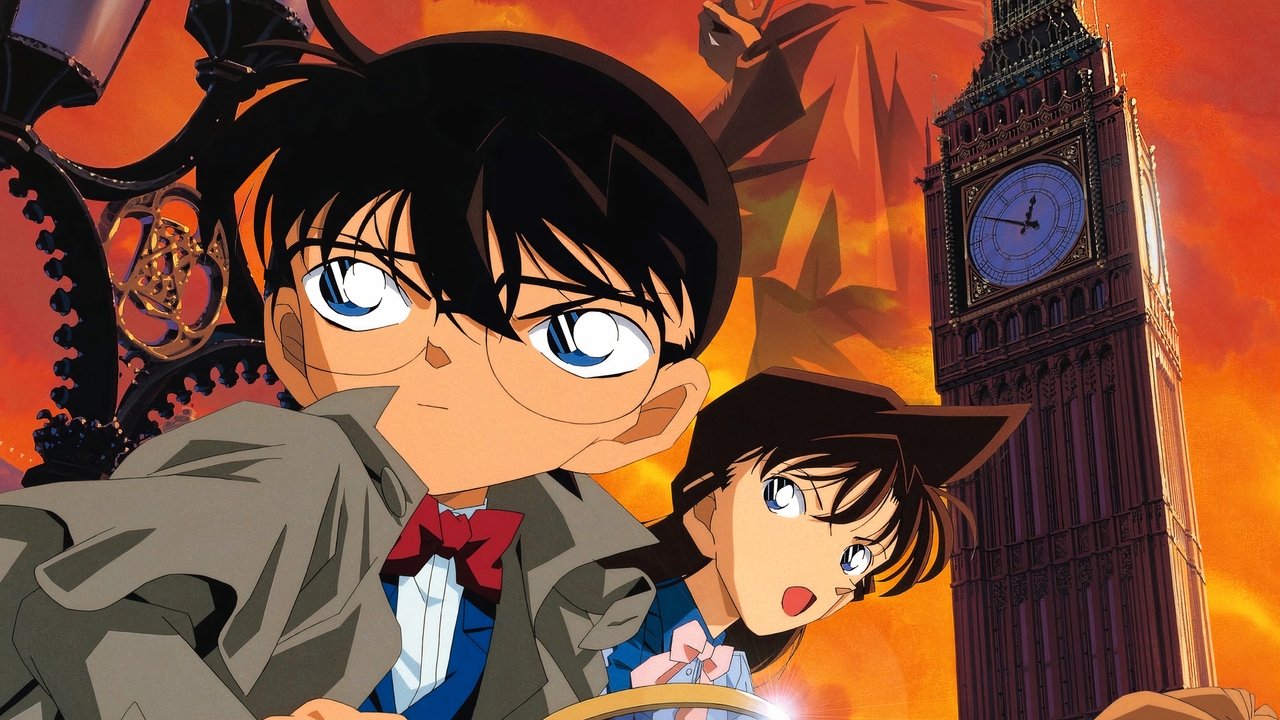
The Detective Conan collection holds seventeen of the yearly mysteries. Shinichi Kudo is a brilliant teenage detective who is shrunk into the body of a child by a mysterious poison, and now solves cases as Conan Edogawa while searching for the organisation responsible. The films take his puzzles to a larger scale. Detective Conan: The Time Bombed Skyscraper, the first, sets a bomber loose on the city; Detective Conan: The Phantom of Baker Street traps Conan and a group of children inside a virtual-reality game set in Sherlock Holmes's London; and Detective Conan: Crossroad in the Ancient Capital sends him to Kyoto on the trail of stolen Buddhist statues.
Later films grow bolder: Detective Conan: Magician of the Silver Sky brings the gentleman thief Kaito Kid aboard an airship, Detective Conan: Jolly Roger in the Deep Azure hunts for pirate treasure, and Lupin the Third vs. Detective Conan brings two of anime's great icons together for the first time.
The Pokémon collection follows Ash and Pikachu through seventeen films. Pokémon the Movie 2000 sets the three legendary birds against each other as the seas rise, Pokémon 3: The Movie follows a girl whose loneliness summons the mysterious Unown into a crystal palace, and Pokémon: Lucario and the Mystery of Mew tells a touching story of loyalty across centuries. Pokémon: The Rise of Darkrai, Pokémon: Giratina and the Sky Warrior and Pokémon: Arceus and the Jewel of Life form an epic trilogy about the legendary Pokémon of time and space.
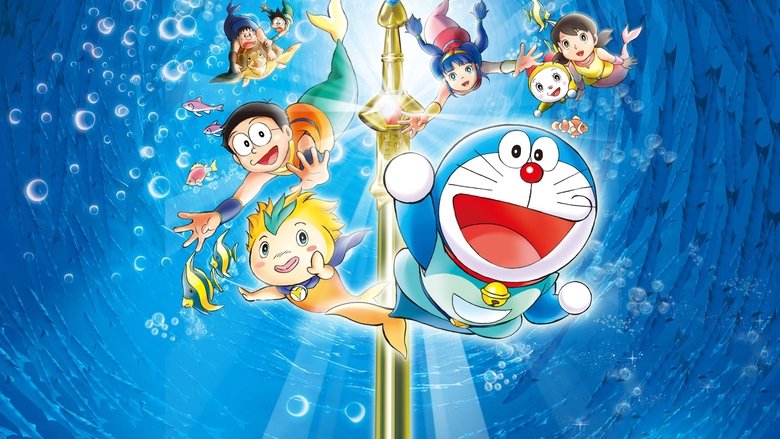
The Doraemon collection holds sixteen of the robot cat's big-screen adventures, where Nobita and his friends use Doraemon's gadgets to explore the deep sea, the stars, ancient kingdoms and tiny worlds. Doraemon: Nobita and the Steel Troops is a fan favourite, a story of friendship with a robot girl from another planet, remade years later as Doraemon: Nobita and the New Steel Troops: Winged Angels. Doraemon: Nobita's Little Star Wars shrinks the friends to join a tiny rebellion, and Doraemon: Nobita and the Galaxy Super-express takes them aboard a train to an amusement planet.
The Crayon Shin-chan films are famous for mixing slapstick with real heart. Crayon Shin-chan: The Storm Called: The Adult Empire Strikes Back is often named one of the finest Japanese films of its decade: a mysterious theme park lures adults into a nostalgic dream of the 1970s, and only five-year-old Shinnosuke and his friends can bring their parents home. It is hilarious, touching and a lovely portrait of family life.
The Dragon Ball collection gathers thirteen of Goku's cinema adventures. Dragon Ball: Mystical Adventure retells the early adventures of young Goku and his friends in the kingdom of Mifan, and Dragon Ball: The Path to Power, made for the series's tenth anniversary, retells Goku's first meeting with Bulma in fresh, colourful animation. The Z films bring bigger battles: Dragon Ball Z: The Tree of Might plants a giant tree that drains the planet, Dragon Ball Z: Lord Slug brings a Namekian warlord to Earth, and Dragon Ball Z: Bojack Unbound sets a martial-arts tournament against a band of space pirates. Dragon Ball: Yo! Son Goku and His Friends Return!! is a short, cheerful reunion made for a festival in 2008.
The Lupin the Third collection follows the world's greatest thief, his gunman partner Jigen, the samurai Goemon, the alluring rival Fujiko and the tireless Inspector Zenigata across eleven films. Besides the two classics already mentioned, Lupin the Third: The Legend of the Gold of Babylon sends the gang after treasure hidden beneath New York, Lupin the Third: Bye Bye, Lady Liberty turns the Statue of Liberty into the target of a heist, and Lupin the Third: Dead or Alive, directed by the character's creator Monkey Punch, takes Lupin to an island kingdom ruled by a tyrant. Lupin the Third: Episode 0: First Contact imagines how the gang first met.
The One Piece collection follows Luffy and the Straw Hat pirates through ten films. One Piece: Baron Omatsuri and the Secret Island is the most unusual: directed by Mamoru Hosoda, it begins as a playful holiday on a resort island and turns into a haunting story about friendship and loss. One Piece Film: Strong World, written by the manga's creator Eiichiro Oda, pits the crew against a legendary pirate who floats islands through the sky, and it became one of the franchise's biggest hits.
Mamoru Hosoda, later famous for The Girl Who Leapt Through Time and Summer Wars, made his name with short films for Toei. Digimon Adventure is his twenty-minute short from 1999 about two children and a Digimon egg that hatches in their apartment, and Our War Game follows the Digi-Destined as they battle a virus spreading across the internet, a clear seed of the ideas he later explored in Summer Wars. Digimon: The Movie is the American release that stitched these shorts together with a third story.
The Jump heroes collection gathers films starring the heroes of Weekly Shonen Jump and other boys' adventure magazines. Naruto the Movie: Legend of the Stone of Gelel, Naruto the Movie: Guardians of the Crescent Moon Kingdom and Naruto Shippuden the Movie send the young ninja on missions to far-off lands, and Naruto Shippuden the Movie: The Will of Fire and Naruto Shippuden the Movie: The Lost Tower continue the adventure with an older Naruto. Bleach the Movie: Memories of Nobody and Bleach the Movie: The DiamondDust Rebellion follow Ichigo and the Soul Reapers, and Gintama: The Movie retells one of the comedy's most beloved story arcs with its trademark mix of jokes and sword fights.
Saint Seiya: Evil Goddess Eris and the other Saint Seiya films follow young knights in constellation armour who defend the goddess Athena, and Fighting Spirit: Champion Road is a boxing special about a young fighter's climb toward a title. Yu-Gi-Oh! Bonds Beyond Time brings together three generations of duelists for the franchise's tenth anniversary, and Blue Exorcist: The Movie follows a boy with demonic powers as he protects a city during a grand festival.
The Magic and fantasy collection gathers magical girls, demon hunters and time travellers. Cardcaptor Sakura: The Movie takes Sakura and her friends on a holiday to Hong Kong, where a mysterious sorceress from the past lures her into a trap. The Sailor Moon films bring the Sailor Guardians together against icy invaders, a lonely alien and a dream-eating castle. Inuyasha the Movie: Affections Touching Across Time and its three sequels follow Kagome and the half-demon Inuyasha through feudal Japan.
Puella Magi Madoka Magica the Movie Part I: Beginnings and Puella Magi Madoka Magica the Movie Part II: Eternal retell the landmark magical-girl series, which turned the genre on its head with a bold, moving story about hope and sacrifice. The Disappearance of Haruhi Suzumiya, from Kyoto Animation, is a gentle, wintry mystery in which the quiet narrator Kyon wakes to find his world rearranged and must decide which reality he wants to return to. xxxHOLiC The Movie: A Midsummer Night's Dream and Sakura Wars: The Movie round out a shelf of elegant fantasy.
Several films bring great sagas to a close. Fullmetal Alchemist the Movie: Conqueror of Shamballa follows Edward Elric in 1920s Germany, searching for a way back to his brother Alphonse in their world of alchemy. Tales of Vesperia: The First Strike tells the origin of the knight Yuri Lowell from the popular role-playing game. Initial D: Third Stage concludes a chapter of the street-racing saga with Takumi facing his biggest choice, and Sword of the Stranger, from studio Bones, follows a nameless ronin who protects a boy and his dog from foreign warriors in feudal Japan, with some of the finest sword fights ever animated.
AniCine is a guide to classic Japanese animated films from 1978 to 2012, from Castle in the Sky and Redline to Detective Conan, Pokémon and Doraemon, with a Watch now button for every film that opens it on the official services in your country.
Open the film page, choose your country and press Watch now. JustWatch opens with the official services that carry it where you live.
Castle in the Sky, Cowboy Bebop: The Movie, Redline, Night on the Galactic Railroad and The Castle of Cagliostro are wonderful first choices.
Most franchise films stand on their own, with a short introduction to the characters at the start.
Each tile opens a search for every film from that studio on AniCine.
The Family films collection gathers films for every age, and each service shows its own age rating.
Yes. Export My List to a small file, then import it on the other device.
Many classic anime films have English dubs. Check the audio menu in the player after pressing Watch now.